Practical thinking on wellbeing at work
Evidence-based articles on mental health, stress management, leadership, and building a healthier workplace culture.

Engagement is not perks, it is whether people trust their leaders
UK managers score in the high seventies on being decent and in the high fifties on developing anybody. Why that gap is the thing your engagement survey cannot see, and the six habits that close it.

World Menopause Day 2026: the retention issue hiding in plain sight
World Menopause Day is Sunday 18 October. Only 24% say their organisation has a stated policy and a third do not know either way. Five things worth settling before the day, and what to look at in December.

National Inclusion Week 2026: what to do in the other 51 weeks
What to plan in the few days before the week starts, how to spend it so something is still different in November and the four questions worth asking when you check.

Inclusion that includes neurodivergent employees, not just talks about them
Awareness has landed and practice has not. Why a policy is not the delivery mechanism, and the four everyday habits that decide what a neurodivergent employee actually experiences.

Noticing when a colleague is struggling: what to look for and what to say
The changes worth noticing when someone is not coping, how to open the conversation without leading with a diagnosis and why the second ask is the one people answer honestly.

The autumn reset: how to plan Q4 wellbeing that actually lands
964,000 UK workers had work-related stress, depression or anxiety last year. Why most Q4 plans get built backwards from the awareness calendar, and the order of decisions that produces a strategy instead.

Psychological safety is not about being nice. It is about who speaks up when something is wrong.
45% of UK employees do not feel able to raise mistakes or risks at work. What psychological safety actually means, why it is an operational risk rather than a culture metric, and the four leader behaviours that move it.

Managers are told to have the conversation. Nobody tells them what to say next.
Only 29% of organisations train line managers in mental health, and 35% of workers are not comfortable raising serious stress with one. Why the two figures agree, and what closes the gap.

Pressure is not the same as stress, and the difference matters for managers
Pressure and stress at work are opposite states, not degrees of the same thing. Why volume is the wrong signal, and three questions that tell you which one you are looking at.

What neurodiversity at work actually means in 2026
Around 1 in 5 people may identify as neurodivergent (CIPD, 2024). What the term covers, why the published estimates disagree, where the Equality Act actually sits and what changed after Acas intervened in 2026.
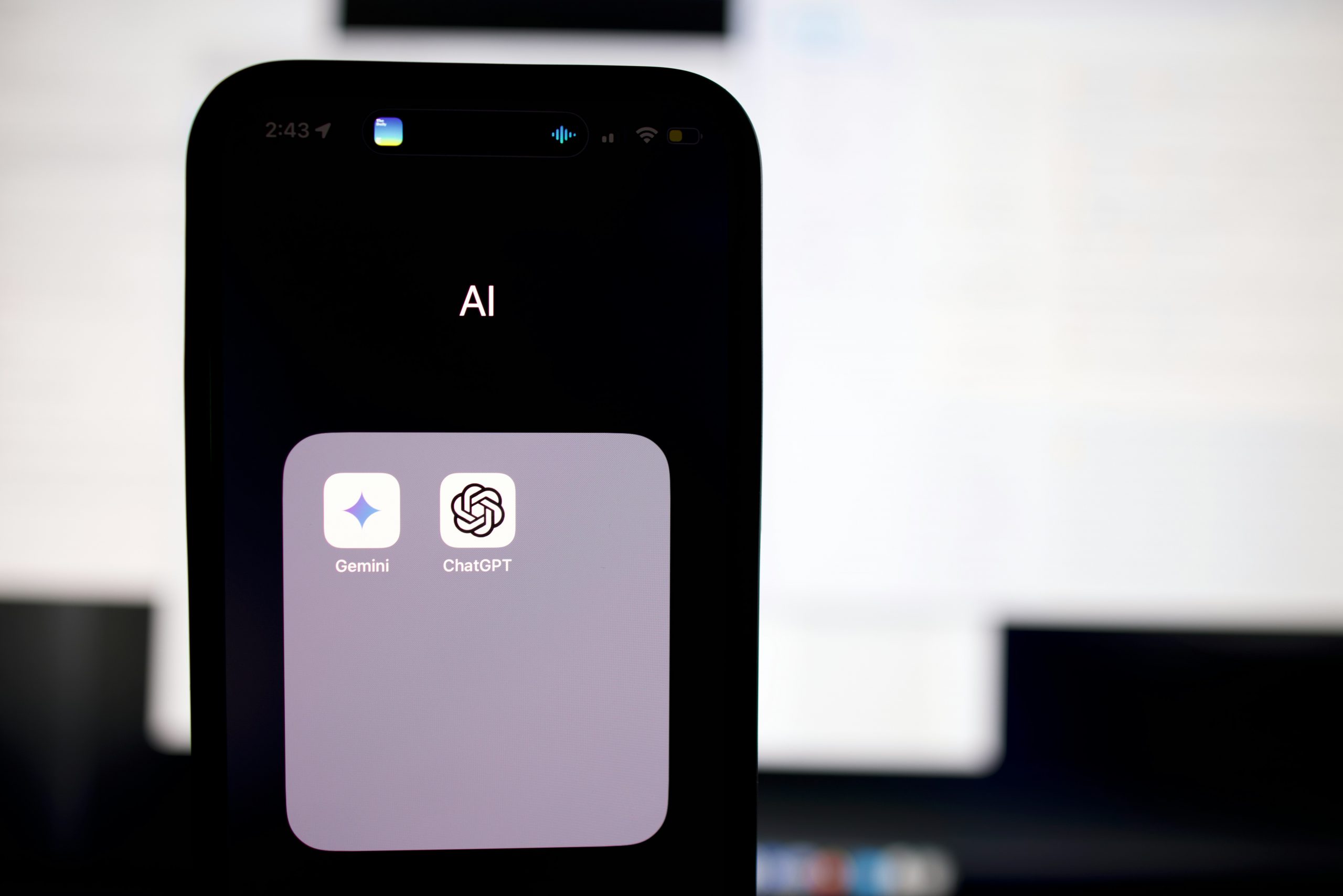
Navigating AI change at work: why the anxiety is a wellbeing issue
Adoption has reached 54% of UK firms but the human side is lagging. Why AI change creates anxiety, why leaders underestimate how worried their people are and what practical support looks like.

Financial wellbeing at work: why money worries are a performance issue
31% of UK working adults say money worries have hit their work performance. Why money worries are a workplace problem, why most programmes leave the topic out, and what practical support looks like.

Difficult conversations at work: why managers avoid them and what it costs
A third of managers do nothing when conflict arises with a direct report. Why the conversations get ducked, what waiting costs, and how to have them well before a small issue becomes a formal one.
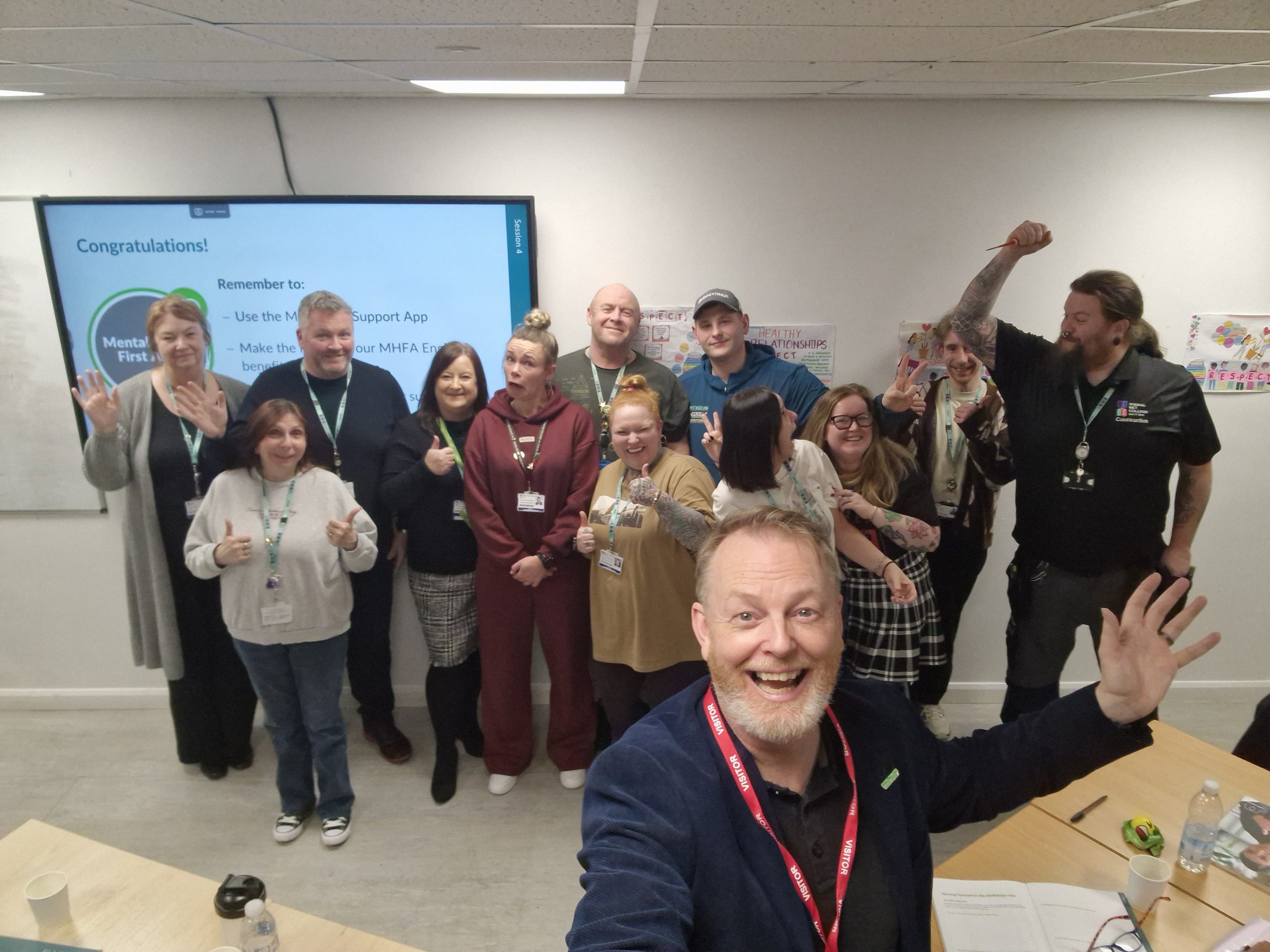
Mental health first aiders: why training them isn’t the same as running a programme
A mental health first aider’s certificate lasts three years. Why a one-off course is not a programme, what a working one looks like, and how to revive one that has gone quiet.

Presenteeism in the UK workplace: why being at work isn’t the same as working
Presenteeism costs UK employers around £24bn a year, more than absence. What it is, why it costs more than the absence it hides, how to spot it, and how building resilience reduces it.

The MH governance gap: why 60% of UK employers fail to operationalise their mental health commitments
The CCLA 2025 benchmark found 60% of large UK employers fail to operationalise mental health commitments. A guide for HR directors and senior leaders on what genuine board-level accountability requires.
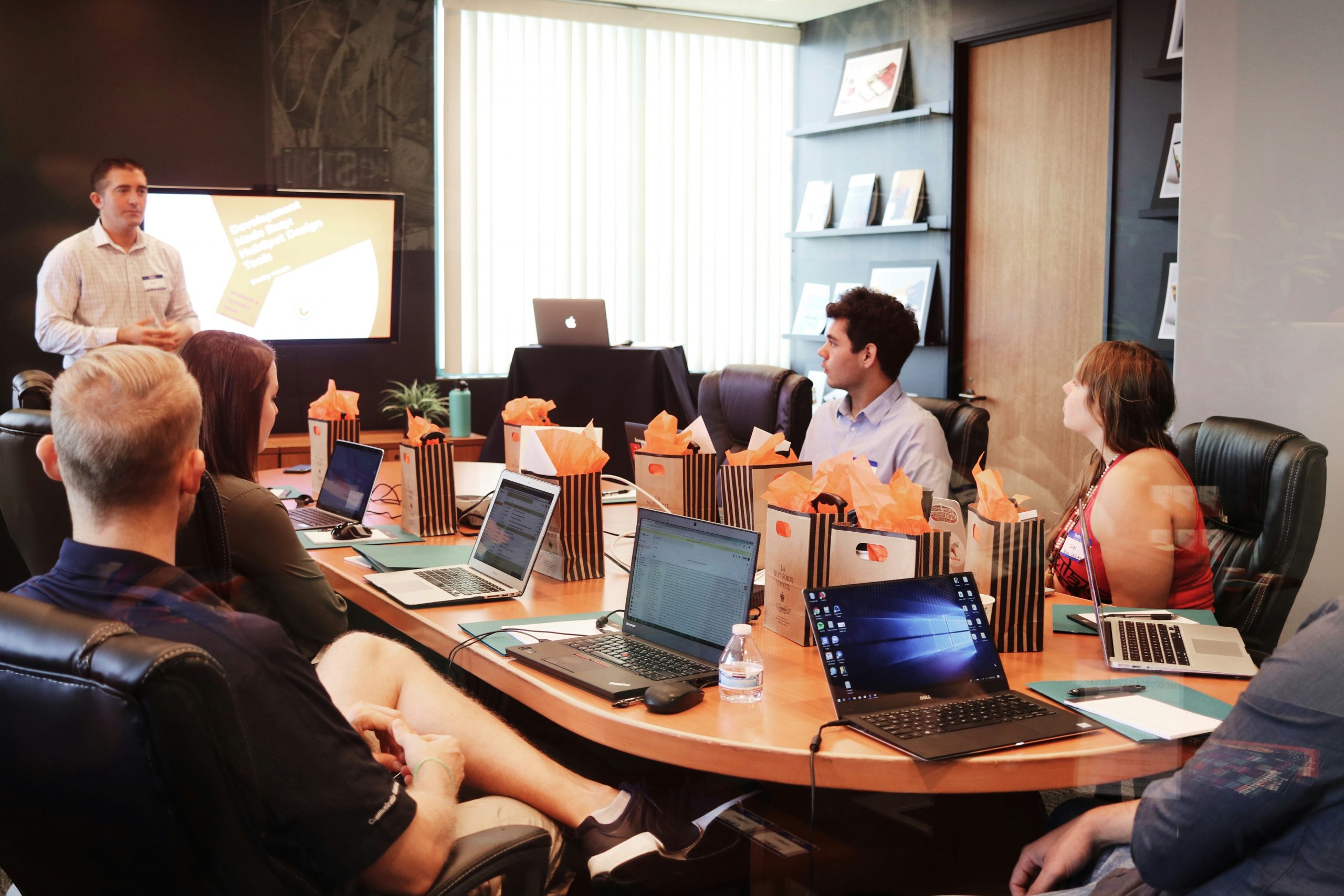
The EQ business case: the leadership skill you’re not developing
Emotional intelligence is one of the few capabilities that predicts leadership performance over and above IQ and personality. What the peer-reviewed evidence really says about EQ at the senior level — and how to make the case for investment internally.

Why neurodiversity support drifts — and how to run a mid-year review
Adjustments agreed in January rarely survive the year intact. A guide for HR managers on the three drift patterns that erode neurodiversity support, and the mid-year audit that catches them.

Burnout warning signs: what managers need to recognise before it’s too late
29.6 million working days were lost to work-related stress in the UK last year. Most had warning signs that went unnoticed. A practical guide for managers on recognising the pattern early — before it reaches crisis point.

The SBI framework: a simple structure for difficult conversations at work
Most managers can name at least one conversation they have been putting off. The SBI (Situation, Behaviour, Impact) framework gives managers a clear, fair structure to have those conversations confidently — and early.

Why your wellbeing policy isn’t reaching your employees
Most UK organisations have a wellbeing policy. Most employees say it makes little difference to their day-to-day experience. The gap between policy and practice is a manager capability problem.

Mental Health Awareness Week 2026: how to turn awareness into action
MHAW 2026 theme is Action. Here’s what that means for UK employers, why Mental Health First Aid is the concrete next step, and how to build on the week beyond the week itself.

Reasonable adjustments for neurodivergent employees: what actually works
One in five employees identifies as neurodivergent. A practical guide to the reasonable adjustments HR managers and line managers can make this week, no specialist tools required.
Case Study: Local Pensions Partnership Administration
How LPPA partnered with Workplace Mindfulness to streamline their employee wellbeing strategy — replacing multiple providers with bespoke programmes in menopause awareness, neurodiversity, and manager training.

How to Develop an Effective Workplace Wellbeing Strategy
A step-by-step framework covering the five core pillars of employee wellbeing — physical, mental, social, and financial — and how to implement them organisation-wide.

The Role of Leadership in Supporting Workplace Mental Health
When leaders prioritise employee wellbeing, organisations see a £4.70 return for every £1 invested. Here’s what great mental health leadership looks like in practice.

Why Every Business Needs a Mental Wellbeing Platform for Employees
Employees who feel supported in their mental wellbeing are more productive, engaged, and less likely to leave. The case for a structured wellbeing platform has never been stronger.

The Business Case for Corporate Mental Wellbeing Programs
Poor mental health costs UK employers £51 billion annually. Research shows a £5 return for every £1 spent on wellbeing programmes — here’s how to make that argument internally.

The Impact of AI on Job Stress and How to Mitigate It
AI is transforming workplaces rapidly — and raising real concerns about job security, workload, and mental wellbeing. Practical strategies for organisations navigating the shift.

Stress Management Tips for a Healthier Workplace
Ten practical strategies for reducing workplace stress — from regular breaks and physical activity to open communication and accessible mental health resources.

The Future of Workplace Mental Wellbeing: 2025 Trends
The key trends shaping workplace mental health in 2025 — AI adoption, hybrid work realities, and evolving employee expectations. Download the full report.

Remote Working and Mental Wellbeing: Challenges and Solutions
42% of UK remote workers say working from home negatively affects their mental wellbeing. HR-focused strategies for tackling isolation, burnout, and disconnection.

Partnering with Mental Wellness Organisations: A Construction Guide
The construction industry faces a disproportionate mental health burden. A practical guide to partnering with wellbeing providers to protect your workforce.
Enhancing Mental Wellness in the Construction Industry
Construction workers face long hours, physical demands, and high-pressure deadlines that contribute to some of the highest rates of stress and poor mental health in any sector.
Ready to invest in your team’s wellbeing?
We design and deliver bespoke workplace wellbeing programmes across the UK. Talk to us about what your organisation needs.